White Gold vs. Platinum: Which is Better for Custom Rings?
One of the most important decisions when designing a custom ring isn’t the diamond or gemstone. It’s the metal that will hold and protect it for years to come.
Two of the most popular choices for engagement rings, wedding bands, and custom fine jewelry are white gold and platinum. Both offer beautiful, bright white finishes that complement diamonds exceptionally well, but they differ significantly in durability, maintenance, cost, and long-term wear.
At Lonnie’s Custom Jewelry, one of the most common questions we hear is: “Should I choose white gold or platinum?” The answer depends on your lifestyle, budget, and personal preferences.
Let’s explore the differences.
What Is White Gold?
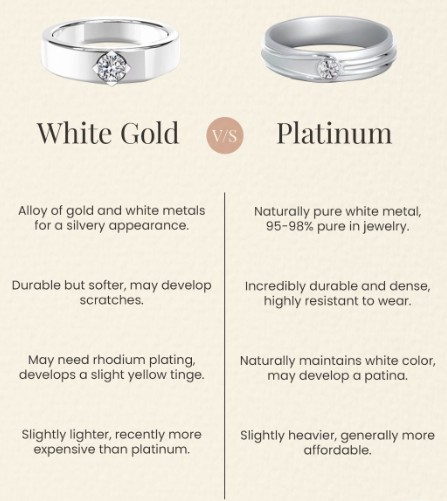
White gold is an alloy created by combining pure gold with white metals such as nickel, palladium, or silver. Because pure gold is naturally yellow, white gold receives a rhodium plating that gives it its bright white appearance.
White gold is available in several purities, including:
- 10K White Gold
- 14K White Gold
- 18K White Gold
For custom rings, 14K white gold is often preferred because it offers an excellent balance of beauty, durability, and value.
What Is Platinum?
Platinum is a naturally white precious metal. Unlike white gold, it does not require rhodium plating to achieve its color.
Most platinum jewelry is approximately 95% pure platinum, making it one of the purest precious metals used in fine jewelry.
Its density and strength have made platinum a favorite choice for luxury jewelry and heirloom-quality pieces.
Appearance: Can You Tell the Difference?
When new, white gold and platinum look remarkably similar.
Both metals:
- Complement diamonds beautifully
- Create a bright, elegant appearance
- Work well with modern and classic designs
Over time, however, differences begin to emerge.
White gold maintains its bright white appearance through periodic rhodium plating, while platinum gradually develops a soft patina that many collectors and luxury buyers appreciate.
Some clients love platinum’s evolving character, while others prefer the consistently bright look of white gold.
Durability and Everyday Wear
For rings worn daily, durability matters.
White Gold
White gold is durable and resistant to scratches, making it an excellent choice for active lifestyles. However, over many years, tiny amounts of metal can wear away from high-contact areas.
Platinum
Platinum is exceptionally durable but behaves differently than gold. Instead of wearing away, platinum tends to displace when scratched, meaning the metal remains part of the ring.
This characteristic makes platinum particularly desirable for securing valuable diamonds and gemstones.
Stone Security
When designing a custom engagement ring or heirloom piece, gemstone security is often a top priority.
Platinum’s density and strength make it an outstanding choice for:
- Diamond engagement rings
- Halo settings
- Pavé designs
- Heirloom jewelry
Because platinum retains its metal over time, prongs often remain secure longer than comparable white gold settings.
Maintenance Requirements
Every precious metal requires some maintenance, but the type of maintenance differs.
White Gold Maintenance
White gold typically requires:
- Periodic rhodium replating
- Professional polishing
- Routine inspections
Many clients choose to replate every few years to restore the bright white finish.
Platinum Maintenance
Platinum does not require rhodium plating.
Maintenance generally includes:
- Professional cleaning
- Occasional polishing
- Stone and prong inspections
Many owners appreciate platinum’s lower long-term maintenance requirements.
Weight and Feel
One difference clients notice immediately is weight.
Platinum is significantly denser than white gold.
As a result:
- Platinum rings feel heavier
- White gold rings feel lighter
Neither is better. It simply comes down to personal preference.
Some people associate platinum’s weight with luxury, while others prefer the lighter feel of white gold.
Cost Considerations
Platinum is typically more expensive than white gold due to:
- Higher purity
- Greater density
- Increased labor requirements
White gold offers a beautiful luxury appearance at a lower initial investment, making it a popular option for clients who want to maximize their budget for diamonds or gemstones.
Which Metal Is Best for Your Custom Ring?
White gold may be the right choice if you:
- Prefer a lower initial investment
- Like a bright white finish
- Want a lighter-weight ring
- Plan to allocate more budget toward the center stone
Platinum may be ideal if you:
- Want maximum durability
- Prefer a naturally white metal
- Desire minimal long-term maintenance
- Are creating an heirloom-quality piece
Let Lonnie’s Custom Jewelry Help You Decide
Choosing between white gold and platinum is a personal decision, and there is no one-size-fits-all answer.
At Lonnie’s Custom Jewelry, we help clients compare metals, evaluate lifestyle needs, and create custom rings that balance beauty, durability, and value. Whether you’re designing an engagement ring, anniversary gift, or family heirloom, our experienced team can guide you through every step of the process.
Visit us to explore your options and discover which metal is the perfect foundation for your custom ring.