How to Spot a High-Quality Diamond Without Being an Expert
You don’t need a gemology degree to recognize a beautiful diamond. You just need to know where to look.
Shopping for a diamond can quickly become an alphabet soup of grades, percentages, measurements, and terminology. Cut. Color. Clarity. Carat. Table percentage. Fluorescence. VS1. G color. Excellent polish.
All of that information has value, but here’s something worth remembering: a diamond is ultimately meant to be seen, not simply graded on paper.
At Lonnie’s Fine Jewelry, we believe understanding a few fundamentals can make choosing a diamond much less intimidating. While an experienced jeweler and a respected grading report provide important guidance, you can learn to recognize many of the characteristics that separate an exceptional diamond from an ordinary one.
Start With the Sparkle
Your eyes are actually a very good first tool.
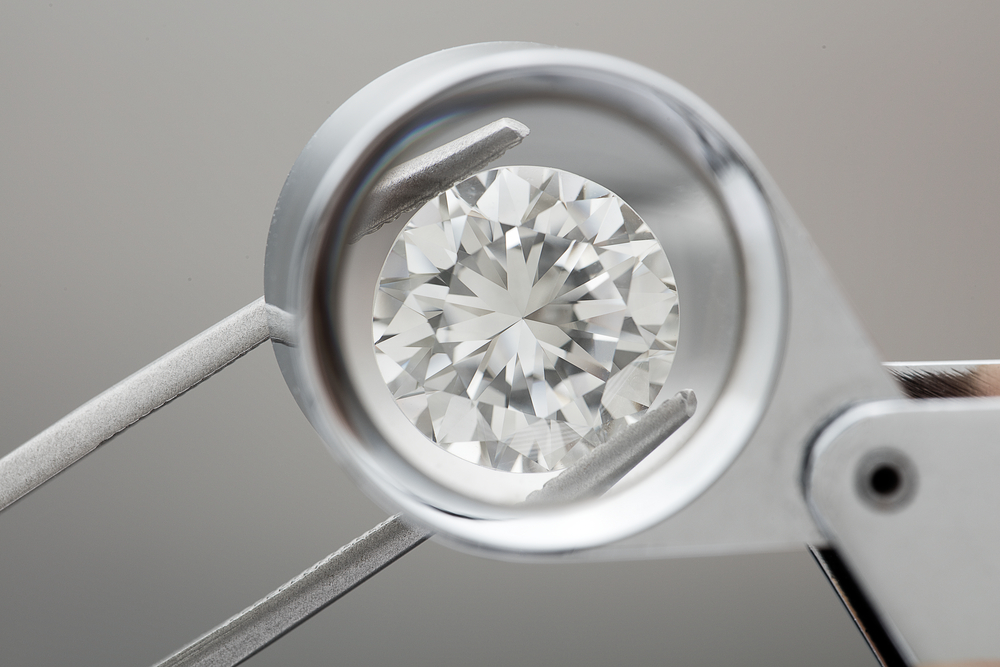
A beautifully cut diamond should come alive as you move it beneath different light sources. Look for a pleasing balance of bright white reflections and flashes of color rather than areas that consistently appear dark or lifeless.
Compare several diamonds side by side if possible. Differences that seem insignificant on grading reports can become surprisingly apparent when the stones are next to one another.
If one diamond immediately captures your attention, pay attention to that reaction.
Cut Is About More Than Shape
One of the most common misunderstandings in diamond shopping is confusing a diamond’s cut with its shape.
Round, oval, pear, cushion, emerald, and marquise describe shapes. Cut quality refers to how effectively a diamond’s proportions and facets interact with light.
An expertly cut diamond can appear brighter, livelier, and sometimes even larger than a poorly proportioned diamond of the same carat weight.
For many buyers, cut is one of the most important characteristics to prioritize because it has such a dramatic effect on what you actually see.
Look at the Diamond From More Than One Angle
Don’t evaluate a diamond only from the top.
Look at it from the side and at an angle. Examine how the stone is proportioned. Does it appear balanced? Does the depth seem appropriate for its shape? Does the diamond remain attractive as it moves?
Two diamonds with the same carat weight can have noticeably different dimensions. A diamond carrying too much of its weight in its depth may appear smaller from the top than another diamond of identical weight.
Carat tells you what a diamond weighs. It doesn’t necessarily tell you how large it will look.
Understand Color Without Becoming Obsessed With the Letter Grade
For traditional white diamonds, color grades generally run from D, representing the colorless end of the scale, through increasingly noticeable traces of yellow or brown.
But here’s where personal preference enters the conversation.
A diamond doesn’t necessarily need the highest possible color grade to look beautifully white once it’s mounted. The diamond’s shape, size, setting, and metal color can all influence how you perceive its color.
A slightly warmer diamond in yellow gold, for example, may appear absolutely beautiful while allowing you to invest more of your budget in size or cut quality.
The goal isn’t necessarily to buy the highest letter on the grading report. It’s to choose the diamond that looks exceptional in the finished piece.
Clarity Is Often About What You Can’t See
Almost every natural diamond contains tiny internal characteristics known as inclusions.
Clarity grading describes their number, size, type, and location. But many inclusions identified under magnification are difficult or impossible to see with the unaided eye.
This creates an opportunity for an informed buyer.
An eye-clean diamond with a slightly lower clarity grade may look virtually identical to a much more expensive higher-clarity stone when worn.
The location of an inclusion matters, too. A small inclusion near an edge may be far less noticeable than one positioned prominently beneath the center of the stone.
This is one area where examining the actual diamond rather than simply shopping by grade can make a significant difference.
Don’t Judge a Diamond by Carat Weight Alone
It’s easy to assume bigger automatically means better.
It doesn’t.
A beautifully proportioned 1.5-carat diamond can be far more impressive than a poorly cut 2-carat diamond. Likewise, two diamonds with exactly the same carat weight may face up at noticeably different sizes because of their proportions.
When selecting a diamond, consider the entire stone rather than allowing one number to dominate the decision.
Check the Diamond in Different Lighting
Jewelry showcases are designed to make diamonds sparkle, and there’s nothing wrong with that. But you won’t spend your life standing beneath jewelry-store lighting.
Ask to view the diamond in different lighting conditions if possible.
A high-quality diamond should remain attractive beyond the dramatic spotlights of a display case. Seeing how it performs in softer, more ordinary light can tell you much more about its personality.
Look for a Trusted Grading Report
Your eyes tell you whether you love a diamond. An independent grading report helps tell you what you’re buying.
For significant diamonds, look for documentation from a respected independent gemological laboratory. The report provides an objective assessment of characteristics such as carat weight, color, clarity, proportions, polish, symmetry, and fluorescence.
A grading report shouldn’t choose your diamond for you, but it gives you valuable information for making meaningful comparisons.
Don’t Automatically Reject Fluorescence
If you see “fluorescence” listed on a diamond grading report, don’t panic.
Some diamonds naturally fluoresce when exposed to ultraviolet light, most commonly producing a blue glow. In many diamonds, fluorescence has little or no noticeable effect during normal wear.
In certain slightly warmer-colored diamonds, blue fluorescence can even help the stone appear somewhat whiter under some lighting conditions.
Rather than automatically eliminating a diamond because of fluorescence, look at the individual stone and evaluate its beauty.
Compare Diamonds, Not Just Certificates
This may be the most useful advice of all.
Imagine two diamonds with remarkably similar grading reports. On paper, they seem nearly interchangeable. Place them side by side, however, and you may immediately prefer one.
That’s because grading reports describe characteristics. They don’t completely capture personality.
The way facets interact, how light moves through the diamond, subtle differences in proportions, and even your own visual preferences influence which stone will speak to you.
A diamond shouldn’t win simply because its paperwork has the most impressive numbers.
Know Where to Invest Your Budget
Luxury isn’t about buying the highest grade in every category. It’s about understanding which qualities create the greatest beauty and value for you.
For one client, that might mean prioritizing an exceptional cut. Another may care deeply about size. Someone else may prefer a rare natural diamond with unusually high color or clarity.
An experienced jeweler can help you determine where an additional investment will make a visible difference and where you may simply be paying for a distinction you’ll never notice without magnification.
That’s where expertise becomes particularly valuable.
The Best Diamond Is the One You Don’t Want to Stop Looking At
The Four Cs and a grading report provide an excellent framework, but choosing a diamond shouldn’t become an exercise in chasing perfect numbers.
Look at the stone.
Does it have life? Does it sparkle beautifully? Are you drawn to it when it’s sitting beside other diamonds? Does it complement the custom design you have in mind?
At Lonnie’s Fine Jewelry, we help our clients understand what’s on the grading report and, just as importantly, what they’re seeing with their own eyes. Whether you’re choosing a diamond for an engagement ring, anniversary piece, or one-of-a-kind custom design, we’ll help you compare your options and select a stone that offers the right combination of beauty, quality, and value.
Ready to see the difference for yourself? Contact Lonnie’s Fine Jewelry to schedule a private consultation and explore diamonds selected with exceptional custom jewelry in mind.